
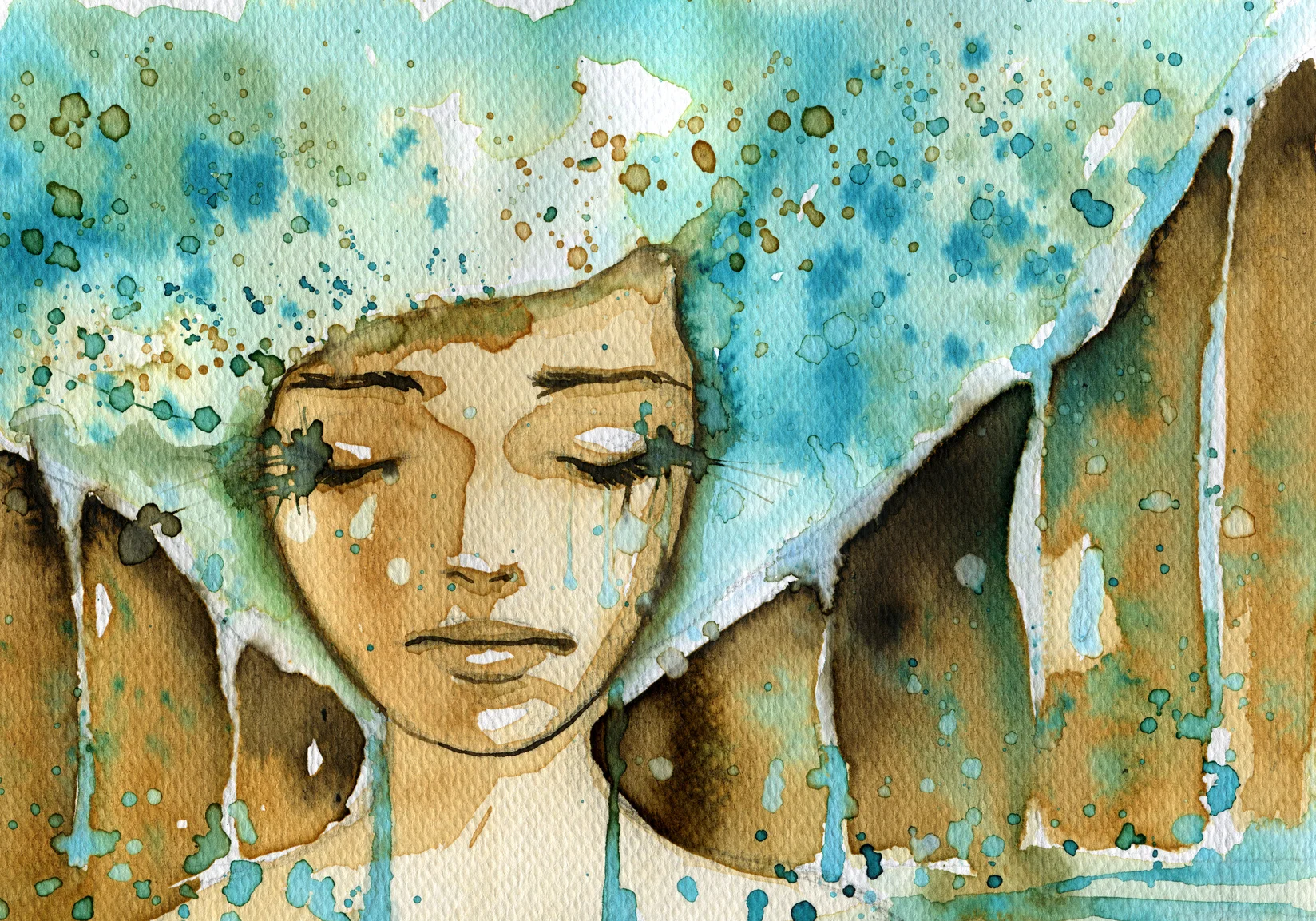
THERAPY FOR Low Self Esteem IN glastonbury, somerset and online
The way in which we come to view ourselves is often organised by the very subtle yet pervading core beliefs we developed about ourselves in our early lives. These core beliefs, coupled with messages we have internalised from society and mainstream culture, have a significant impact on negatively shaping our sense of self and how we experience ourselves in the world. These beliefs often develop in response to early relationships and developmental experiences, long before we have the words to understand them, and they can deeply shape our sense of self-worth.
Our self-esteem is characterised by the way in which we view ourselves and our underlying sense of self-worth. When we have a low opinion of ourselves, this can have a significant impact on how we express ourselves, on the decisions we make, the quality of our relationship with ourselves and others and our general quality of life. We may find ourselves feeling stuck, feeling lost or feeling vulnerable, along with persistent feelings of loneliness, experiencing a lack of meaning in life or a distinct lack of direction.
We can also find ourselves sabotaging situations and settling for relationships with people who treat us badly, believing - sometimes unconsciously - that that's exactly how we deserve to be treated. People with low self esteem often find that they have an incredibly loud internal dialogue that criticises, reprimands and judges any feelings, thoughts, actions and ideas that may lead a person to feeling good about themselves. This voice can keep us stuck in a kind of paralysed state of dissatisfaction and self attack, which only serves to exacerbate our self-doubt, increasing feelings of helplessness, sadness, anxiety, shame and leaving us feeling low in mood and energy.
People often come to therapy believing there is something wrong with them. Yet, more often than not, what we discover is that the ways you learned to survive made perfect sense at the time. Together we begin to understand these adaptations with compassion, gently loosening the grip of shame and making space for a more authentic relationship with yourself and a more stable sense of self-worth.
Our environment also has a significant impact on our self-esteem and we may suddenly find ourselves feeling insecure or less than confident in relation to significant life events and transitions, such as growing a business or getting a promotion, entering into new relationships or ending existing ones, during and after pregnancy, following a miscarriage, in the run up to getting married, entering new life stages and ageing, etc.
How can therapy help?
The way in which we come to view ourselves is often organised by the very subtle yet pervading core beliefs we develop about ourselves in our formative years. Therapy can help to unpack these unconscious beliefs, allowing you to become fully aware of the narrative you hold yourself to, inviting you to challenge outmoded ways of thinking and beliefs that may no longer serve you. The therapeutic space also invites you to begin to take yourself and your experience seriously, no longer dismissing yourself or diminishing your needs. This is the first step in beginning to remember your true, authentic self, increasing your self-esteem and developing the tools to enter into a compassionate and accepting relationship with yourself and the world around you.